

 Calender


Special Exhibition
Special Exhibition
The World Heritage Sites of Yoshino and Ōmine: Prayers and Beauty Dedicated to the Mountain Deity,
Yoshino in Nara Prefecture is regarded as a mysterious and enigmatic region, revered as the abode of deities and immortals alike. The rugged mountains of Ōmine, stretching from Yoshino to Kumano in Wakayama prefecture, are said to be the birthplace of a form of ascetic mountain practice in Japan which later became known as Shugendō. Since the ancient period, practitioners have immersed themselves in this natural environment in the hope of gaining special powers and enlightenment. The portion of Ōmine spanning from Yoshino to Mt. Sanjōgatake was known as Kinpusen (meaning “the sacred mountain of hidden gold”), and in the Heian period (794–1185), emperors and Kyoto nobles such as the regent Fujiwara no Michinaga (966–1027) flocked to this holy site. During the Nanbokuchō period (1333–1392), Emperor Go-Daigo (1288–1339, r. 1318–1339) went so far as to establish his political base on the sacred mountain. Throughout the ages, Yoshino and Ōmine have remained a spiritually rich area.
Over one thousand years ago, Fujiwara no Michinaga made several copies of sutra scrolls and buried them within the mountain in veneration of Zaō Gongen, the prime deity of Kinpusen. In recent years many fragments of these scrolls, most of which were written with gold characters upon indigo-dyed paper, were discovered at Kinpusenji Temple. They garnered significant attention, and after three years the fragments have finally been restored to their original scroll form and were designated as National Treasures.
These magnificently restored gold and indigo sutras, copied by Michinaga himself, are on display for the first time ever in this exhibition. Also on view are a collection of treasures that represent the union of nature, and the belief in Shinto deities and Buddhas, such as works depicting En no Gyōja, the founder of mountain ascetic practice, as well as images of Zaō Gongen, mandalas, votive mirrors, and Shinto and Buddhist images that served as objects of worship for many believers.
Aside from being famous locales for viewing cherry blossoms, Yoshino and Ōmine are regions with impressive natural landscapes and majestic mountain ranges, where Shinto and Buddhist deities reside, and which eventually became a sacred place for Shugendō. We invite you to enjoy the rich history and beauty of this region.
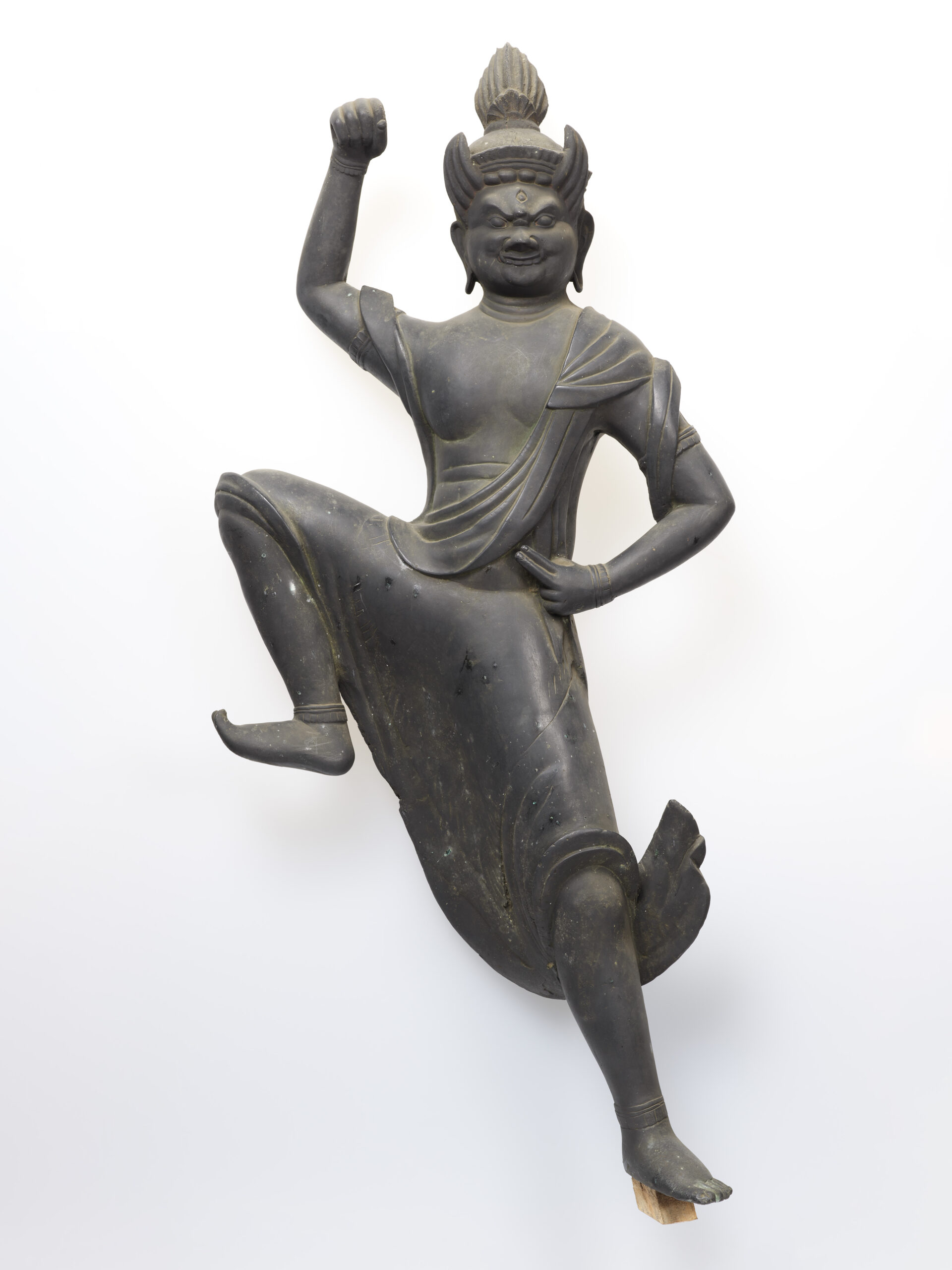
Heian period, 12th century
(Ōminesanji Temple, Nara)
Dates
Friday, April 10th to Sunday, June 7th, 2026
First Rotation: Friday, April 10th to Sunday, May 10th
Second Rotation: Tuesday, May 12th to Sunday, June 7th
*Please note that some works will be rotated during the exhibition period.
**Exhibited works and exhibition dates are subject to change due to unforeseen circumstances.
The museum is closed on Mondays*
*Except for Mondays, April 27th and May 4th, 2026.
Venue
The New East and West Wings of the Nara National Museum
Hours
9:30 A.M. to 5:00 P.M.
Last entry is thirty minutes before closing.
Admission
| Same-Day Tickets | Advance Tickets Group Tickets* | |
| General Admission | 2,000 yen | 1,800 yen |
| High School and University Students | 1,500 yen | 1,300 yen |
- Admission is free for students who are middle school age and younger.
- Tickets for the Special Exhibition also grant entry to the Buddhist Sculpture Hall and the Ritual Bronzes Gallery.
Organizers
The Nara National Museum, Kinpusenji Temple, The Yomiuri Shimbun, Japan Broadcasting Corporation (NHK) Nara Station, and NHK Enterprises (Osaka Branch Office)
With the Special Cooperation of:
Ōminesanji Temple, Agency for Cultural Affairs
With the Project Cooperation of:
TOPPAN
Through Corporate Partnership with:
DMG MORI Co., Ltd.
With the Cooperation of:
Bukkyō Bijutsu Kyōkai (Buddhist Art Foundation)
Featured Items:
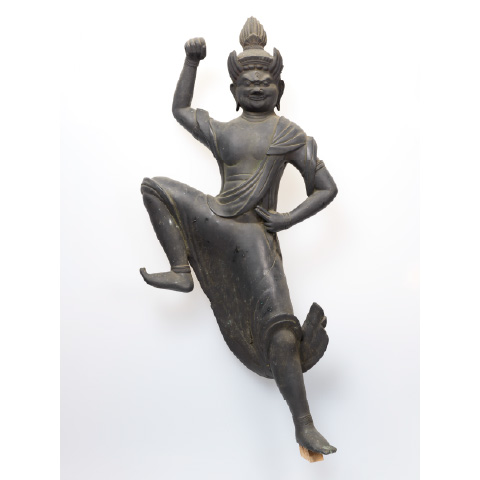
Important Cultural Property
Standing Zaō Gongen
Heian period, 12th century
Ōminesanji Temple, Nara
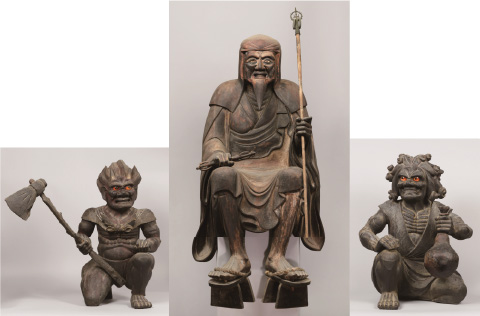
Seated Portrait of En no Gyōja with Two Seated Demons (Zenki and Goki)
Muromachi period, 15th century
Yoshimizu Jinja Shrine, Nara
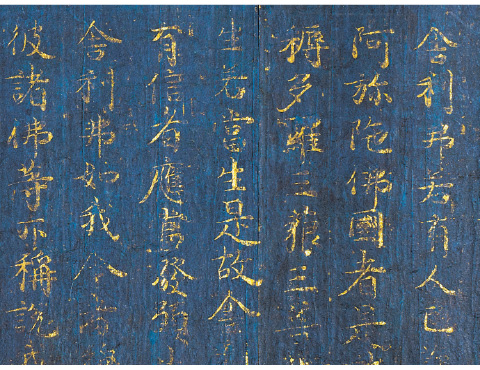
National Treasure
Amida Sutra (Jp. Amidakyō) (Excavated from Kinpusen Sutra Mound)
By Fujiwara no Michinaga
Heian period, 1007 (Kankō 4)
Gold ink on indigo-dyed paper
Kinpusenji Temple, Nara
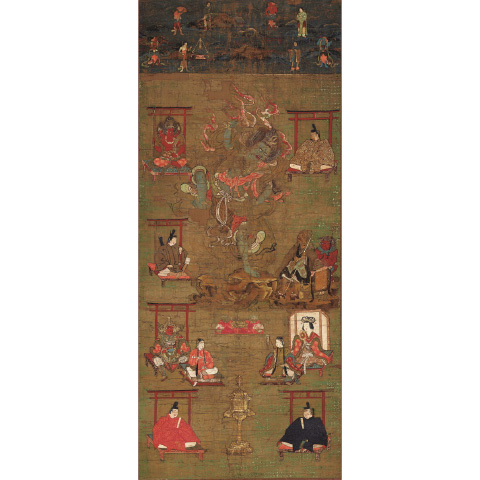
Important Cultural Property
Yoshino Mandala
Nanbokuchō period, 14th century
Saidaiji Temple, Nara
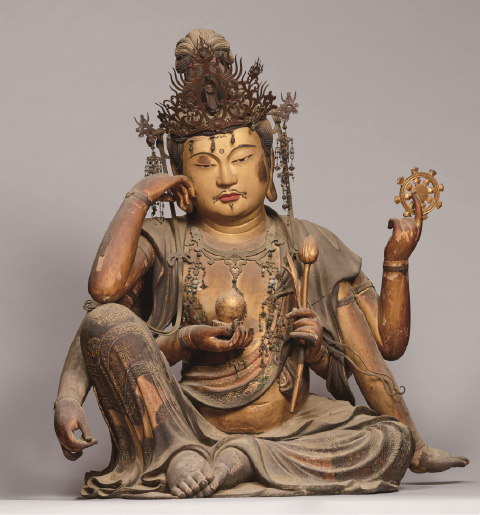
Seated Nyoirin Kannon (Sk. Cintāmaṇicakra)
Kamakura period, 1310 (Enkei 3)
Nyoirinji Temple, Nara
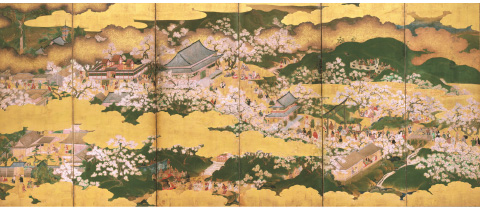
Important Cultural Property
Folding Screens of Cherry Blossom Viewing at Yoshino (Left panel)
Momoyama period, 16th century
Hosomi Museum, Kyoto
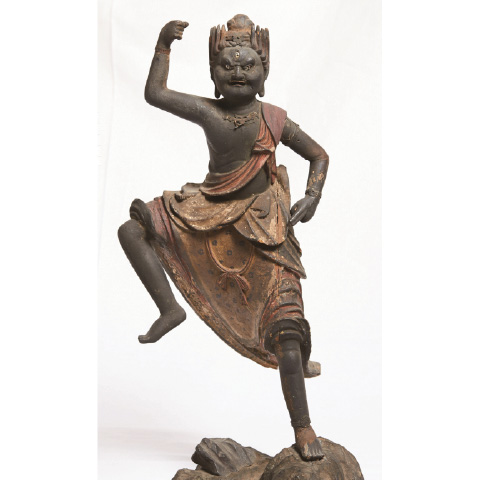
Zaō Gongen: Mountain Avatar
Kamakura period, 13th century
Los Angeles County Museum of Art, California, USA